




 9:00 AM - 5:30 PM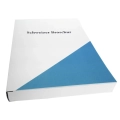
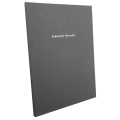
Print and bind Swiss Brochures as hardcover or softcover
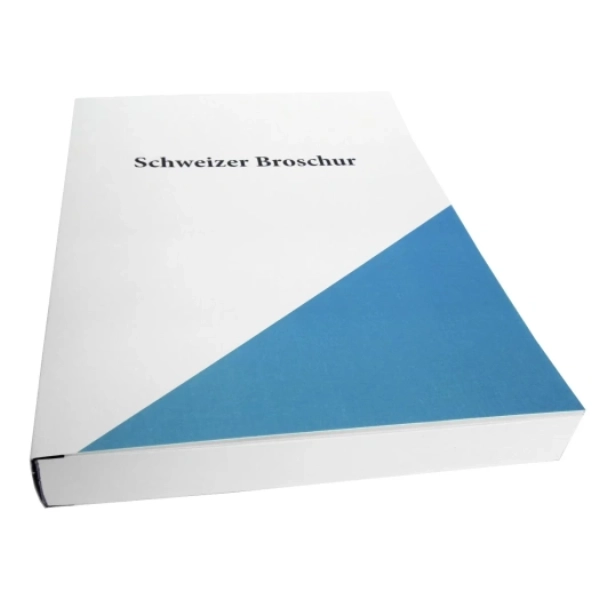
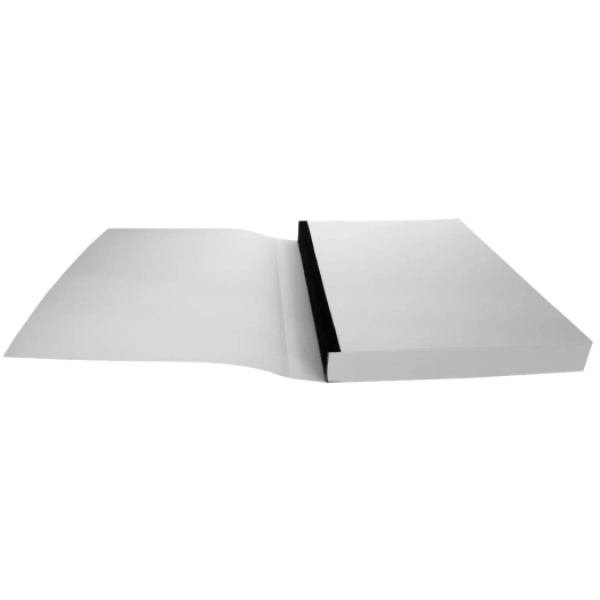
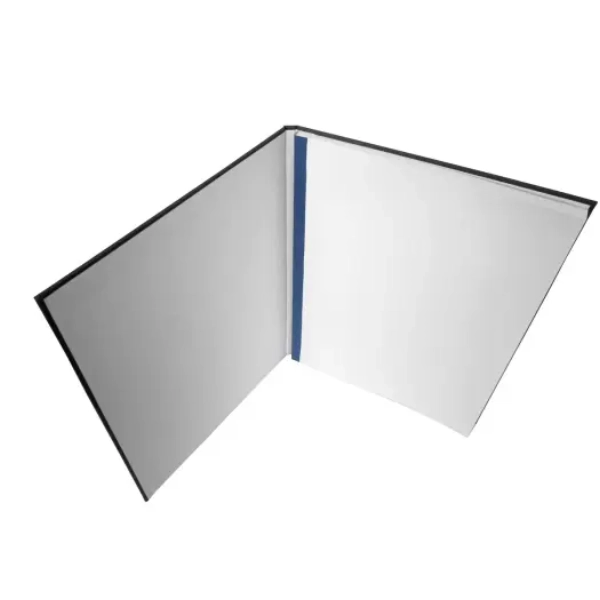
The Swiss Brochure is a distinctive and premium type of binding. Its advantage is that the spine is not permanently attached to the cover. The contents are perfect-bound or thread-stitched separately and attached to the book block along the spine using colored spine tape.
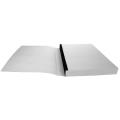
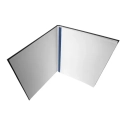
Afterwards, the book block is glued across its entire area onto the inside of the back cover. This gives the cover excellent lay-flat characteristics.
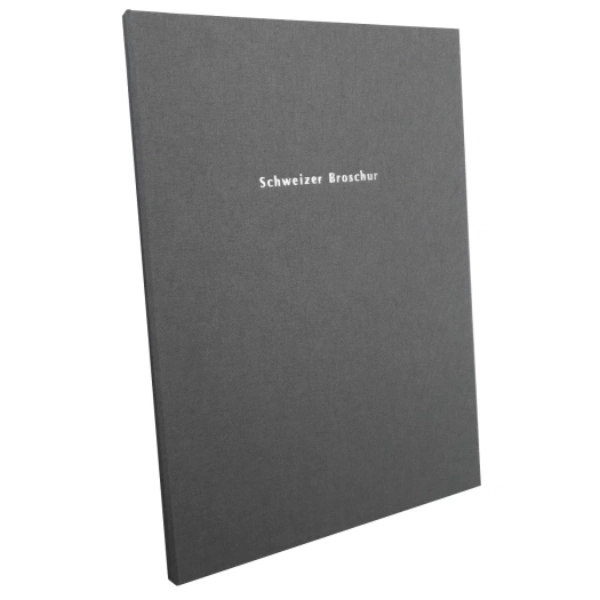
We offer the Swiss Brochure up to DIN A3 format in both portrait and landscape. It can be refined with various premium materials and additional options.
For specific individual requirements, we look forward to hearing from you and will gladly handle your Swiss Brochure online print order.
What is a Swiss Brochure?
A Swiss Brochure is a special type of binding for books and brochures. It is characterized by a flexible yet durable binding that allows the book to lay flat when opened, ensuring good durability. The Swiss Brochure consists of a cover that is only glued to the back of the book block, while the front cover remains loose. Often, an additional layer of paper is attached to the inside of the front cover—the so-called French fold—which contributes to the stabilization of the brochure. Swiss Brochures are frequently used for catalogs, coffee table books, and other high-quality print products.
I. Which materials are used?
The Swiss Brochure, also known as Swiss binding or brochure with an exposed spine, is a special type of book binding that is characterized by a combination of perfect binding and thread stitching. The materials used for the production of a Swiss Brochure are:
- Paper: High-quality, acid-free paper is usually used for the book block, which consists of the printed pages of the book. The individual sheets are folded and collated into signatures, which are then stitched.
- Thread: A strong thread is used to connect (sew) the signatures of the book block, which is stitched through the folded edges of the signatures. This creates a durable and stable binding.
- Glue: After thread stitching, the book block is coated (glued) on the spine with a flexible, solvent-free adhesive. This provides the binding with additional stability and allows the book to lay flat.
- Cover material: Various materials can be used for the cover of the Swiss Brochure, such as cardboard, cardstock with custom printing, or covers made of fabric and paper. The cover is often slightly larger than the book block so that it overhangs the open spine side, leaving the stitching visible.
- Protective coating or dust jacket: To protect the cover from dirt or damage, a transparent protective film (lamination) or a dust jacket can be used.
- Finishing materials (optional): For a high-quality look, additional materials such as embossing, foils, or colored edges can be used to give the book a special appeal.
II. What should you consider when printing?
When printing a Swiss Brochure, there are a few important points to consider to achieve an optimal result. Here are some tips:
- Use high-quality paper: Paper quality is crucial for the appearance of your brochure. Use paper with sufficient volume and weight to achieve an appealing print result.
- Pay attention to correct binding: The Swiss Brochure is a distinctive and premium type of binding where the book block is bound separately from the cover. The Swiss Brochure can be produced as a softcover or hardcover. The already perfect-bound or thread-stitched book block is glued to the inside back cover. For perfect-bound book blocks, the spine is first covered with a colored spine tape to conceal the glue. With exposed thread stitching, the book spine is free and visible.
- Design an appealing layout: Ensure your brochure's layout is attractive and clear. Use legible fonts and ensure sufficient spacing between lines and text elements.
- Check the colors: Ensure that the colors in your print file are correct and created in the right color profile (e.g., CMYK). Also, ensure that the colors on the print result achieve the desired effect.
- Image quality: Use only high-resolution images in your brochure. Ensure the images have sufficient resolution and do not appear pixelated or blurry.
- Proofreading: Make sure your brochure contains no spelling or grammar errors. If necessary, have the document proofread by a second person to ensure all errors are found and corrected.
- Note the bleed: Ensure all important elements are in the safety zone (at least 10 mm from the edge) and that the bleed (3 mm) is correctly set so no important information is lost during trimming.
- Choose a print shop: Select a print shop that has experience with printing Swiss Brochures and can accommodate your individual requirements. Inquire about the print specifications and the service offered by the print shop in advance.
- Plan enough time: Note that printing a Swiss Brochure can take more time than printing a standard brochure. Therefore, allow sufficient time for the production and delivery of your brochures.